








“Stress Is Killing Me”: When High-Functioning Stops Working
- burnout recovery for high achievers
- chronic stress symptoms
- high functioning burnout

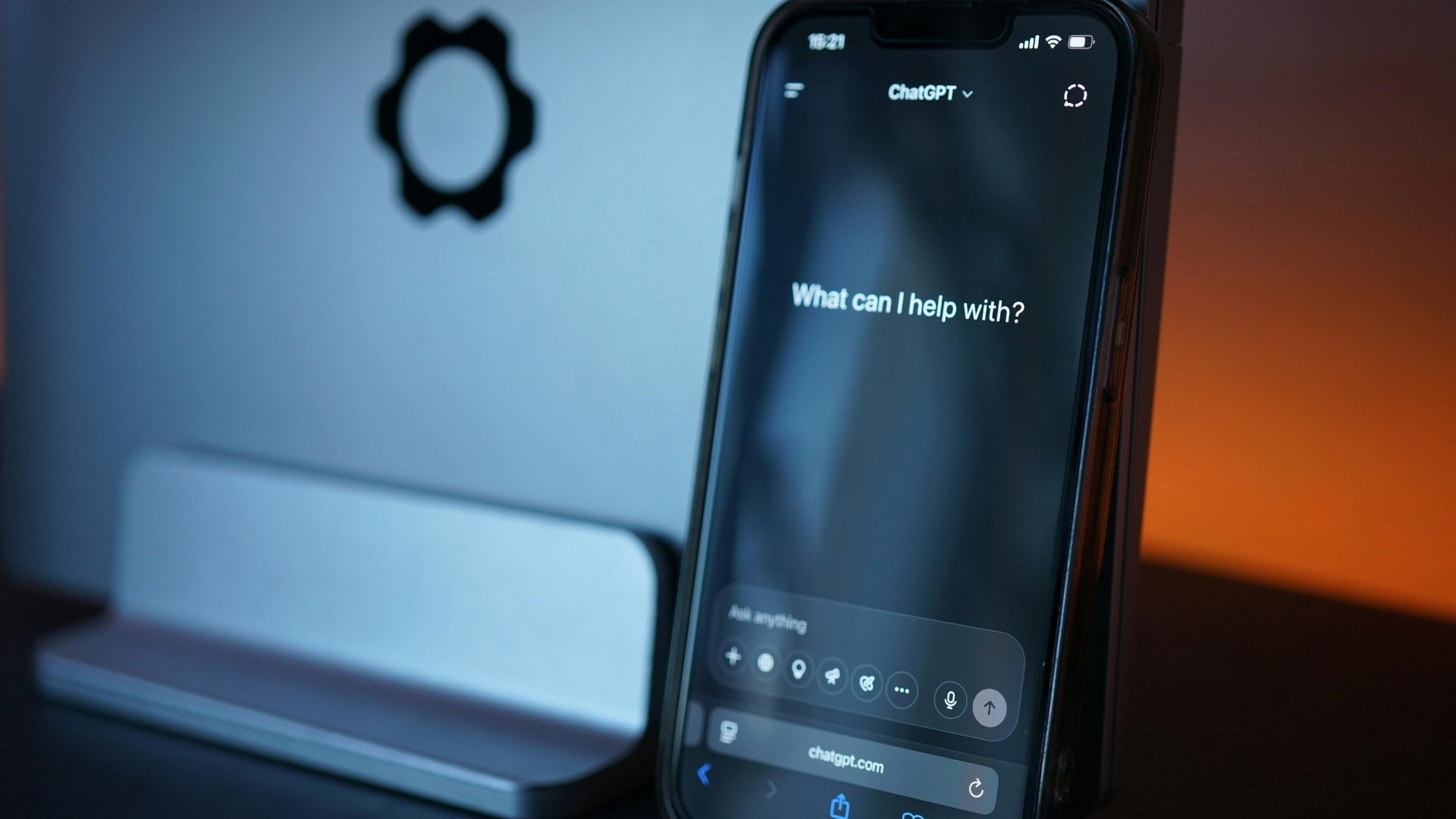
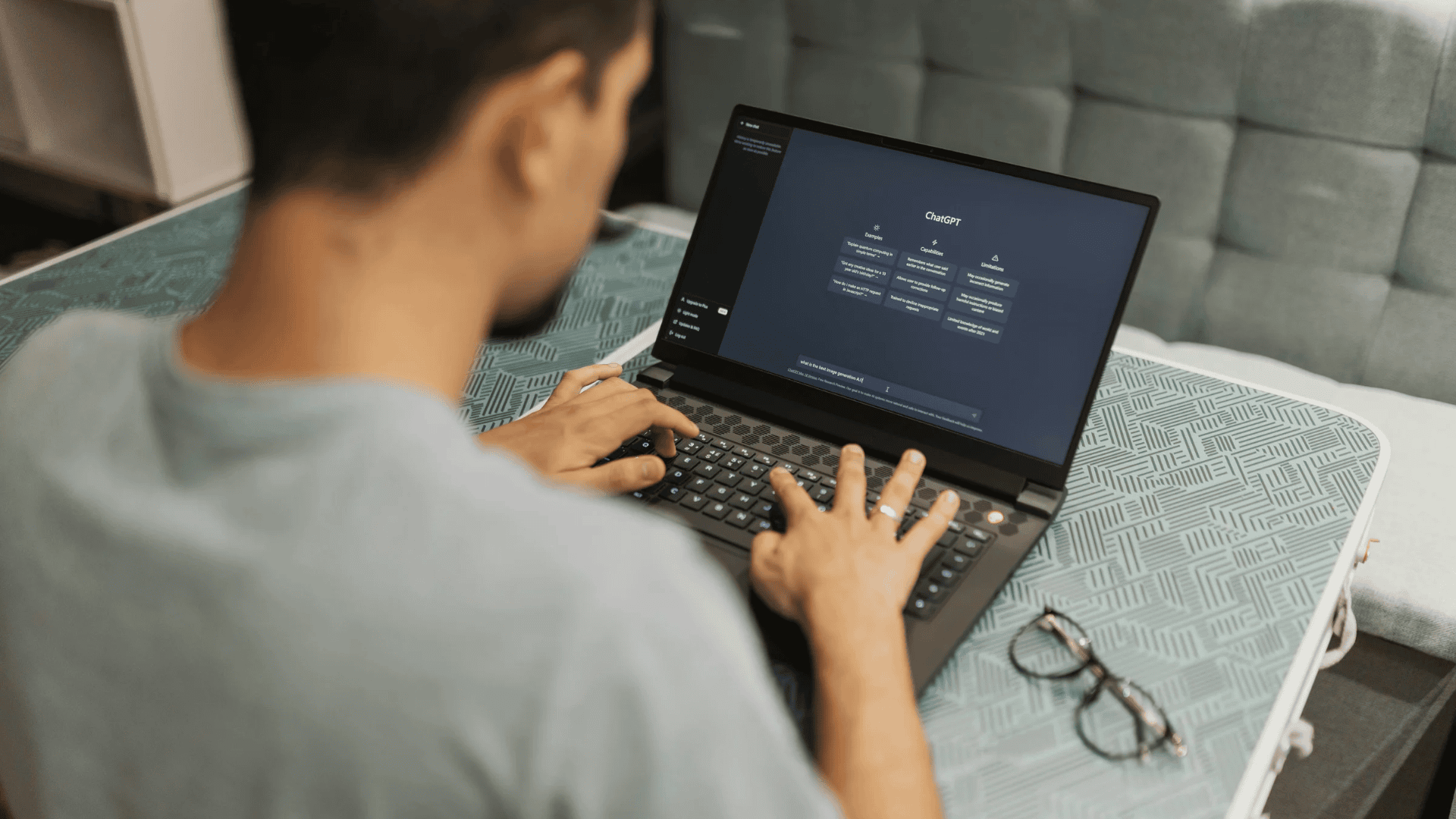
You’ve already had the conversation three times. Once in the shower, once in the car, and once at midnight, staring at the ceiling and fixing your own lines. You still haven’t had it with the actual person. Maybe you’ve even started using AI between therapy sessions to rehearse it.
If that’s your week, of course you opened a chat window. It’s 11:40 p.m. your therapist’s next opening is days away, and your brain won’t clock out. This article is about how to use that impulse well, and about what to save for the person who’s trained to sit with it.
Therapy happens in fifty-minute pieces. Life happens in all the other hours.
The thing that bugged you on Tuesday doesn’t wait politely until Thursday at 2:00. It shows up while you’re answering email, or washing the same mug twice, and you want somewhere to put it. A tool that’s awake, patient, and never says “we’re out of time” feels like relief.
That pull isn’t a flaw. It usually means you’re thoughtful, you’re working at this, and you hate letting a thought go unfinished. Plenty of smart, high-functioning people live this way, and they’re often the ones who look fine while their heads run a full-time operation.
So the useful question isn’t whether to use AI at all. It’s what to use it for, because a tool that helps you organize your thinking and a tool that stands in for the person helping you heal are two very different jobs.
Think of AI as a very responsive notebook. It can help you put words to things, sort a pile of thoughts into piles, and give you a place to be messy at an hour when nobody else is available, which is a real use and worth having.
What it can’t do is the stuff that makes therapy therapy. A clinician can notice what you keep skipping, remember what you said six weeks ago, and see how your patterns shift over months. And if something goes sideways in the room, a therapist can name it and repair it with you, which a chat window can’t do because there’s no actual relationship on the other side.
Supplementing therapy with technology works best when you treat it as prep and note-taking. It doesn’t work when you treat it as the session. If you’re hoping a tool will do the deeper work so you can skip the hard conversation, this isn’t that, and it isn’t built to be.
Here’s the tricky part for self-aware people. You already know your patterns, and you can explain them better than most textbooks. Knowing hasn’t stopped them.
AI can feed that. Many tools are built to be agreeable, so if you describe a spiral with enough conviction, you may get back a smooth, confident paragraph that makes the spiral sound like insight. It feels productive because it’s articulate. Then you’re still awake at 1 a.m. now with better vocabulary.
A few signs you’ve slipped from reflecting into looping:
If that sounds familiar, close the tab and write one line for your therapist instead. And if you’re curious why the loop exists at all, when overthinking is doing a job for you is worth a read, because for many people it began as protection.
One quick privacy check before you paste anything in. Leave out full names, workplaces, addresses, and other details that could identify you or someone else, and look at the tool’s privacy settings to see what it does with your conversations.
Used as a journaling aid, AI is good at three things: sorting, naming, and noticing. It’s not good at diagnosing, judging, or deciding what’s true about you. Keep it in the first lane.
Start with the messy version. Type it the way it lives in your head, with no structure, no polish, and all the “and also” tangents. Nobody’s grading it.
Then give the tool a narrow job. Something like: “Sort this into themes, feelings I mentioned, and open questions I haven’t answered.” That’s it. You get back a clearer map of what’s actually in there, and often you’ll spot the thread that carries the most weight.
It can also help you find words for feelings you’ve only felt as a tight chest or a vague dread. If it offers “resentful” or “embarrassed” and one lands, that’s useful. If none do, that’s useful too, and something to bring to your therapist.
What not to ask matters just as much. Skip these:
Patterns are easier to see when you catch them small. Picture a typical one: you laugh off a comment in a meeting, say “no, totally fine!”, and then replay it for the rest of the week. That moment is tiny and specific, which makes it easy to track and easy to miss.
Keep a short log. For each moment, jot down three things:
An AI tool can help you tidy these entries and notice what keeps showing up, like the same kind of person or the same time of day. For some people the log is where masking first becomes visible.
The rule is to notice, not grade. You’re collecting information, not building a case against yourself. If the log starts to feel like homework you’re failing, shrink it to one line a day or take a break.
This is also where your therapist comes in. The questions that make a log useful are the same ones a good therapist keeps asking over time: what might this pattern be doing for you, when does it show up, and what makes it hard to interrupt? You can borrow those questions for your own entries. A therapist can keep asking them with you, and can connect them to experiences and environments you may not have linked yet.
Prep is where AI earns its keep. A few minutes with your own notes can turn “I don’t know where to start” into a session that has somewhere to go.
Start with the sentence you’re most nervous to say. You know the one. It might be “I’ve been faking being okay at work” or “I didn’t tell you last week, but I almost quit therapy.”
Write it out. Ask the tool to help you make it clearer, or to try a few versions until one sounds like you. Then cut the draft in half.
Next, pick the one thread that matters most this week and let the rest go. You won’t cover everything, and you don’t have to. A messy draft is fine as long as it’s yours.
Please don’t bring a forty-page transcript. Your therapist wants you, not the conversation you had with a tool.
Lead with the pattern and the question. Something like: “I keep replaying conversations at night, and I think it’s about being afraid of conflict. Can we look at that?” Two sentences, and you’ve given your therapist something to work with.
Then mention where the AI got it wrong, or where it made things too neat. Maybe it called your situation “a classic case of burnout” when it felt more complicated. Maybe it agreed with everything you said. That friction is useful material, because it often points at the part of your story that doesn’t fit a tidy summary.
And yes, you can tell your therapist you’re using AI. It’s not confessing to something. It’s information about how you cope between sessions.
Using AI between therapy sessions can help with a lot of the sorting. There’s a set of things it can’t do, and it’s worth being clear about them so you don’t end up doing hard work alone at 2 a.m. with a tool that isn’t built for it.
AI for processing emotions can help you name what you feel. Working through distressing or traumatic material is something else entirely. It’s paced, relational work, and a big part of what to expect in trauma therapy is that someone is watching how you’re doing as you go, slowing down when it’s too much, and staying with you when it’s heavy.
A chat window can’t read your face or notice you’ve gone quiet. It also can’t tell when you’ve gone from remembering to being flooded.
EMDR is one approach that may be useful for some people when distressing or traumatic experiences are contributing to a present pattern. It’s used to process those experiences, and it isn’t a direct treatment for overthinking, masking, or people-pleasing. If you’re curious, here’s a plain-language guide to how EMDR works.
Between therapy sessions, AI can help you draft a hard message to a partner, a friend, or a parent. That’s a fair use, and it can save you from sending the version you wrote while furious.
But the repair itself happens between people. A well-written apology that no one has to actually hear doesn’t repair anything. And when something goes wrong between you and your therapist, working that through with them is often part of the work.
Then there’s the body. Patterns like flipping between wired and numb, or crashing after socializing, can be easier to work through with someone who responds in real time and notices what you’re not saying. If that flip sounds familiar, here’s why you flip between wired and numb. It may help to have language for it before you bring it in.
Some things are outside what AI between sessions should handle, and this is the clearest line in the article.
That includes thoughts of hurting yourself, thoughts of ending your life, or feeling unsafe with anyone in your life. It also covers anything where you’re worried about your own safety or someone else’s.
A chat window can’t check on you. It can’t call anyone, notice you’ve gone quiet, or know if you’re okay tomorrow. If you’re in the U.S. and need help right now, call 911, or call or text 988, the Suicide & Crisis Lifeline.
Once you’re through the immediate moment, bring it to your therapist. That conversation is exactly what they’re there for, and they’d rather hear about it than not.
If you read the heavier sections and thought “that’s me,” that’s a good reason to talk to a person. You don’t need to have it figured out first. The messy version is what we work with.
Empower Counseling Center offers therapy in person in Suwanee and online across Georgia. You can meet our therapists and see who feels like someone you could talk to, or start with a consultation.
If you haven’t started therapy yet, the same sorting habit works for a first call. Dump what’s going on, sort it into themes, feelings, and open questions, and write the one sentence you’re most nervous to say. You’ll walk in with something to hand over, not a blank. And if you’re still deciding who to call, here’s how to find a trauma therapist who gets it.
It’s available at odd hours, it’s patient, and it can help you sort a tangle of thoughts into themes, feelings, and open questions. That makes it a decent journaling aid and a good way to prep for a session. Where it stops short is the relational, paced work of therapy, like processing distressing experiences or repairing a rupture.
There’s no honest way to crown one, because the question matters less than how you use either. Both are tools, and neither replaces a therapist. Check each one’s privacy policy, notice whether it just agrees with everything you say, and keep names and identifying details out.
Skip diagnosis, medication questions, legal questions, and anything about whether you or someone else is in danger. A chat tool can’t assess you, and it can sound sure when it’s wrong. Bring those questions to a clinician, a prescriber, or a lawyer, and call 911 or 988 for safety concerns.
Yes. It tells them how you cope between sessions and what you’re trying to work out. Bring the pattern and the question, not the transcript, and mention anywhere the tool got it wrong or made things too tidy.
This article is for education and isn’t a substitute for therapy or medical care. If you’re in crisis, call or text 988.
More on Starting therapy · Trauma & the nervous system
You don’t have to keep carrying this by yourself.
how we help with traumastart here 







Empower Counseling Center offers relational, pattern-level therapy for smart, sensitive overachievers who feel stuck, burned out, or like something always seems to get in the way. Our care is neurodivergent, LGBTQ+, and chronic-illness affirming, with trauma therapy, anxiety counseling, and EMDR therapy available with our certified and trained therapists.
Areas we serve: In person in Suwanee, serving Gwinnett County and the North Atlanta area, and online across Georgia.
Empower Counseling Center
4411 Suwanee Dam Rd, #450 | Suwanee, GA 30024
Call or Text: 770-685-6790 | Fax: 770-727-8786 | Email: hello@empowercounseling.net
©2026 empower counseling center. all rights reserved.