






Your teen makes eye contact, answers questions politely, and gets good grades. Then they fall apart the moment they walk through your front door. That contrast confuses a lot of parents. How can a kid who seems so capable at school be so overwhelmed at home?
The answer may be autistic teen masking: a conscious or unconscious strategy that helps neurodivergent teens navigate a world that wasn’t built for them by changing, suppressing, or hiding some of their natural traits. Masking can provide safety, belonging, or acceptance in the short term. It can also come with a significant cost when a teen feels like performing “fine” is their only option.
Masking can involve consciously or unconsciously suppressing autistic traits or performing expected social behaviors in order to blend in. Once you understand that distinction, you start seeing past the performance to the person underneath it. It might look like manually running social behaviors that other people seem to do on autopilot: forcing eye contact despite discomfort, rehearsing conversations before speaking, mimicking peers’ gestures, monitoring facial expressions, or suppressing stimming to avoid standing out. It’s exhausting, because your teen may essentially be running translation software in real time while also trying to learn algebra and survive cafeteria politics.
Learning social skills isn’t inherently masking. The difference is often what those skills are doing for the teen and what they cost. Authentic social development gives someone more ways to communicate and connect while still allowing them to be themselves. Masking asks them to perform a version of themselves that feels safer or more acceptable to other people.
You might notice your teen seems overly formal with peers, laughs along even when they don’t understand the joke, studies other people’s behavior before deciding how to respond, or suppresses movements that help them regulate. The behavior may look socially successful from the outside while feeling like a high-stakes performance on the inside.
Intelligence and verbal ability can hide very real support needs because adults often mistake compliance and achievement for well-being. A teen who keeps excellent grades and polite classroom behavior but has frequent meltdowns, shutdowns, or extreme exhaustion when they get home may be spending nearly everything they’ve got on masking during school hours. Teachers see a model student. Parents see a kid who has absolutely nothing left. Both observations can be accurate.
That discrepancy can also delay identification and support because success in the classroom convinces adults that nothing is wrong, even while the teen’s internal resources are running toward empty. Grades measure output, not the cost of producing it. Sometimes the better question isn’t “Can they do it?” but “What does it cost them to keep doing it?”
Sustained camouflaging can require constant self-monitoring: Am I making enough eye contact? Did I respond correctly? Am I talking too much? Was that joke serious? Are my hands doing something weird? Does everyone else understand something I don’t? That kind of vigilance can consume an enormous amount of energy on top of all the ordinary demands of adolescence.
Masking itself isn’t automatically harmful. Sometimes it’s protective, useful, or chosen. The problem is when masking becomes the only available strategy for safety, belonging, or success and there is nowhere a teen can comfortably stop performing.
The after-school collapse can be particularly confusing for families. Your teen’s teachers say they had a great day, and then they walk through your door and suddenly can’t answer another question, tolerate another sound, make another decision, or handle one more person needing something from them. That doesn’t necessarily mean they’re choosing to behave better at school than at home.
During the school day, they may have been inhibiting natural movements, decoding ambiguous social cues, managing sensory input, switching between tasks, remembering academic expectations, and monitoring how other people perceive them. By the time they reach a safe space, their system may not be able to sustain the performance anymore. That’s when you see shutdowns, irritability, tears, increased stimming, or complete withdrawal.
Naming this as depletion rather than automatically labeling it misbehavior changes how adults respond. Instead of asking, “Why are you acting like this when your teachers say you were fine all day?” we can start asking, “What did being fine all day cost you?”
Adolescence is supposed to involve figuring out who you are. That gets complicated when much of your social success comes from figuring out who other people expect you to be. Years of prioritizing external approval over internal signals can leave a young person struggling to name their own preferences, boundaries, emotions, or needs without first checking what’s expected of them.
Do I actually like this, or am I supposed to like this? Do I want to go, or do I know I’m expected to go? Am I uncomfortable, or am I just being “too sensitive”? That uncertainty can follow people into adulthood. For some autistic adults, recognizing how much they masked earlier in life brings both relief and grief as they begin figuring out which parts of themselves were authentic and which were adaptations they believed they needed to belong.
Masking isn’t irrational. It often develops because it works. Neurodivergent teens can learn very early that being perceived as different carries consequences. They may have been teased, excluded, constantly corrected, called rude or dramatic, punished for behavior that helped them regulate, or simply noticed that life went more smoothly when they copied what everyone else was doing.
Understanding that function matters because it keeps well-meaning adults from turning unmasking into one more demand. Telling a teen to “just be yourself” isn’t particularly helpful if being themselves hasn’t always felt safe.
Neurodivergent teens often learn that being perceived as “weird” carries real social risk, from subtle exclusion to outright bullying. Masking can become a kind of armor, helping teens access friendships, classrooms, activities, or social opportunities they might otherwise feel shut out of.
That’s why the goal shouldn’t simply be getting a teen to stop masking. A better goal is creating more relationships and environments where they don’t have to. Unmasking needs safety, and teens deserve some control over where, when, and with whom they feel comfortable setting the performance down.
Schools can be sensory minefields: bells, crowds, bright lights, unpredictable noise, crowded hallways, cafeterias, fire drills, and someone clicking a pen approximately nine million times. An autistic teen may experience all of that while simultaneously trying not to show that any of it is affecting them.
They may suppress the urge to cover their ears, move their body, leave the room, or otherwise regulate because they don’t want to attract attention. That effort accumulates, and later it may show up as headaches, stomach discomfort, exhaustion, irritability, or very little tolerance for additional sensory input. Once you understand that hidden labor, it makes more sense why your teen seemed completely fine at 3:00 PM and can’t tolerate the sound of the dishwasher by 4:00 PM. The dishwasher probably isn’t the whole story. It’s just the sensory straw that arrived after a very long day.
Masking can be subtle and easy to mistake for typical teenage moodiness, anxiety, perfectionism, or defiance. There isn’t one definitive list of masking behaviors, and seeing one or two doesn’t mean a teen is autistic. What matters is the larger pattern.
You might notice extreme fatigue after school or social events, dramatically different behavior at home and school, long recovery periods after socializing, suppressing stimming in public, rehearsing conversations, copying peers, strong anxiety about making social mistakes, or your teen saying they feel “fake” or like they’re acting. Some teens appear socially competent while privately describing interaction as confusing and exhausting.
Pay particular attention when what professionals say about your teen doesn’t match what you see at home. If teachers report no concerns while your teen struggles with emotional regulation, sensory overload, self-care, or everyday functioning outside school, it doesn’t necessarily mean either side is wrong. They may be seeing the same teen at very different points in their capacity cycle.
And your teen’s own experience matters enormously. If they tell you social interaction feels like acting, that they’re constantly monitoring themselves, or that being alone is the only time they can fully relax, listen. They’re the only person who knows what the performance feels like from inside it.
Unmasking is gradual, and it shouldn’t become another project adults assign to a neurodivergent teen. Your job isn’t to demand authenticity. It’s to build conditions where authenticity becomes safer and masking becomes more of a choice than a requirement.
That means looking at your own expectations along with the environments your teen has to navigate. If home is the place your teen finally stops performing, their messiest behavior at home isn’t necessarily evidence that home is the problem. Sometimes it’s evidence that home is where they finally feel safe enough to stop holding everything together.
If your teen spends all day navigating a high-demand environment, they may need significantly less demand when they get home. That could mean solitude before conversation, lower sensory input, predictable routines, fewer immediate questions, headphones or dimmer lighting, permission to communicate by text, or simply not requiring another decision the second they walk through the door.
These aren’t indulgences, and they don’t mean eliminating every expectation. They’re ways of recognizing that recovery requires actual recovery. When home consistently provides room to regulate without having to perform, the nervous system gets a place to replenish some of the capacity used elsewhere.
Connection doesn’t have to look neurotypical to count. Parallel play counts. Sitting in the same room doing separate things counts. Info-dumping about a special interest counts. Sending you seventeen TikToks instead of initiating a heart-to-heart may count. Talking while walking or driving instead of sitting face-to-face counts.
Treat stimming, direct communication, less eye contact, and different ways of connecting as legitimate rather than deficits that automatically need correcting. Some teens connect better when there is less pressure to look connected. Making room for their natural communication style sends a powerful message: You don’t have to perform normal for me to want to know you.
Therapy shouldn’t become another place where an autistic teen learns to perform correctly. Neurodivergent-affirming therapy prioritizes autonomy, sensory needs, communication preferences, self-understanding, and genuine regulation rather than simply making behavior look more typical. If you’re not sure where to start, learning about what teen therapy actually involves can help you understand what affirming teen therapy can look like.
Therapy should not aim to make an autistic teen indistinguishable from their neurotypical peers. Progress isn’t necessarily more eye contact, less stimming, better small talk, or greater tolerance for sensory discomfort. Effective support focuses instead on self-understanding, sustainable coping strategies, accommodations, boundaries, and self-advocacy.
Progress might mean recognizing overwhelm earlier, knowing when recovery is needed, understanding sensory needs, developing relationships where authenticity feels safe, or recognizing when perfectionism is functioning as protection. Some teens also experience high-functioning anxiety patterns alongside masking and exhaustion. The measure of progress should be well-being and a more sustainable life, not conformity.
Autism isn’t trauma, but autistic teens can absolutely experience trauma. Repeated bullying, rejection, chronic invalidation, sensory experiences that aren’t respected, coercive interventions, or years of learning that your natural responses are unacceptable can create real wounds. Sometimes masking becomes tangled up with those experiences, and the teen isn’t only asking, “What am I supposed to do here?” They’re asking, “What do I need to do so I’m safe here?”
Trauma-informed, neurodivergent-affirming care can address those painful experiences without treating autism itself as something that needs to be fixed. For teens whose masking is tangled up with trauma, approaches such as neurodivergent-affirming EMDR may be useful when clinically appropriate. Families looking for trauma-informed support for teens should look for therapists who can hold both pieces: neurodivergence that needs affirmation and accommodation, and trauma that may actually be able to heal.
Consider seeking additional support when masking-related distress shows up as persistent exhaustion, anxiety, depression, withdrawal, increasing school difficulty, frequent shutdowns or meltdowns, loss of interest in things your teen previously enjoyed, or a significant decline in their ability to manage everyday demands. You don’t have to wait for visible crisis before taking the cost of functioning seriously.
Getting help isn’t about fixing autism or teaching your teen to mask more effectively. It’s about figuring out what’s consuming so much capacity and what could make life more sustainable. Sometimes that means therapy. Sometimes it means accommodations, assessment, changing expectations or environments, or some combination of all of those.
If your teen has become successful by hiding how hard things are, don’t make visible collapse the price of finally believing them.
Masking developed for a reason. For some autistic people, there will always be situations where masking feels useful, protective, or simply preferable. The goal isn’t to take that choice away.
The goal is choice.
Your teen deserves relationships and environments where they can decide when adapting serves them and when they can safely set the performance down. They deserve to know that the version of themselves underneath all that monitoring isn’t the problem, and they deserve support before “doing fine” takes everything they’ve got.
If your teen is struggling with masking, anxiety, burnout, identity, or trauma, Empower Counseling offers neurodivergent-affirming therapy for teens, including in-person therapy in Suwanee and online options with eligible therapists. You don’t need to know exactly what diagnosis fits before reaching out.
Start Here and tell us a little about what you’re seeing. We’ll help you figure out whether Empower is the right fit for your teen.
This article is for education and isn’t a substitute for therapy or medical care. If you’re in crisis, call or text 988.
More on Neurodivergent life
Neurodivergent-affirming care, no formal diagnosis required.
how we helpstart here 





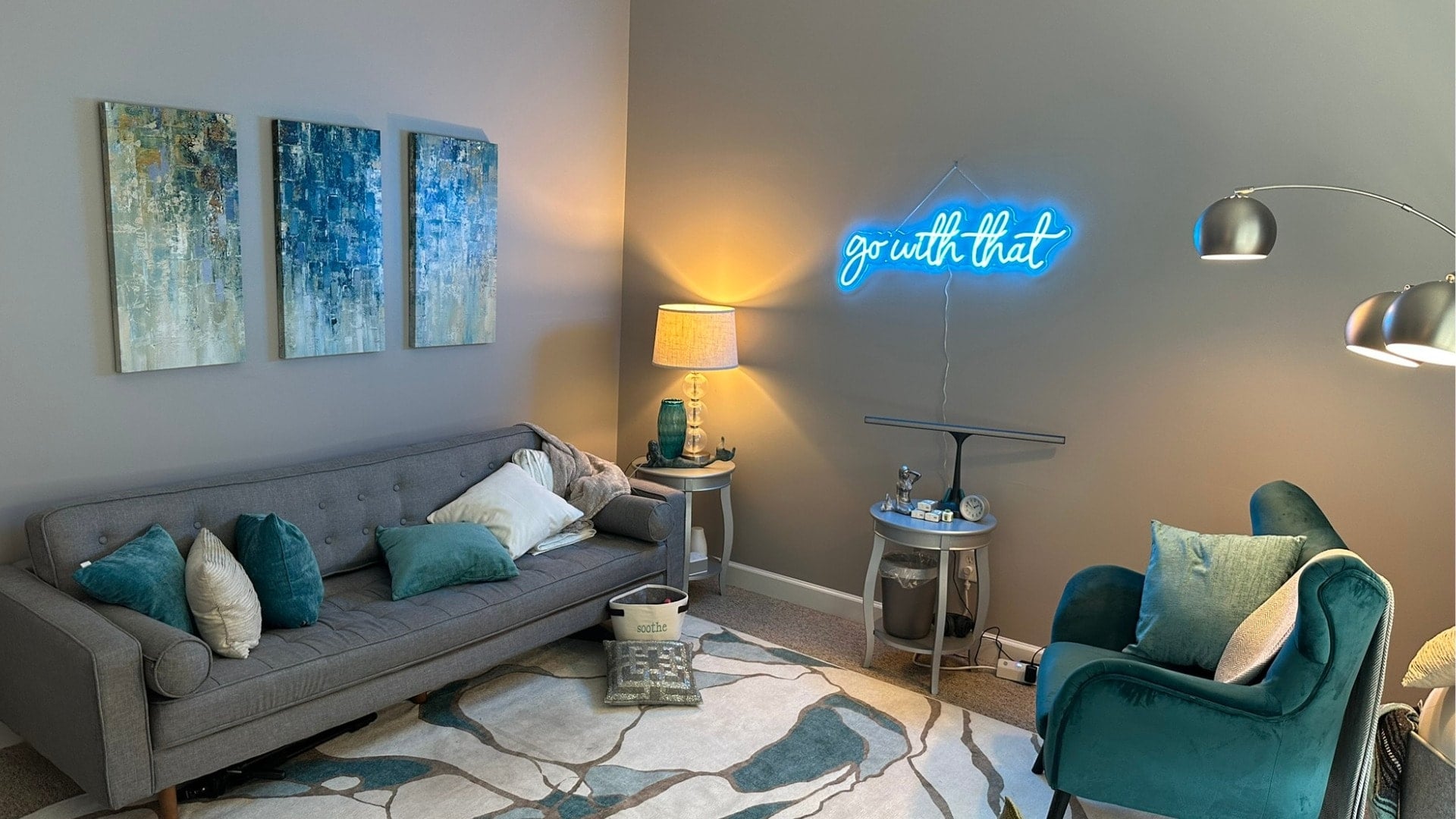


Empower Counseling Center offers relational, pattern-level therapy for smart, sensitive overachievers who feel stuck, burned out, or like something always seems to get in the way. Our care is neurodivergent, LGBTQ+, and chronic-illness affirming, with trauma therapy, anxiety counseling, and EMDR therapy available with our certified and trained therapists.
Areas we serve: In person in Suwanee, serving Gwinnett County and the North Atlanta area, and online across Georgia.
Empower Counseling Center, LLC
4411 Suwanee Dam Rd, #450 | Suwanee, GA 30024
Call or Text: 770-685-6790 | Fax: 770-727-8786 | Email: hello@empowercounseling.net
©2026 empower counseling center llc. all rights reserved.