
Burnout Trauma Therapist Atlanta: Why You’re Still Exhausted
- burnout recovery therapist near me
- burnout therapist atlanta
- emdr for burnout atlanta

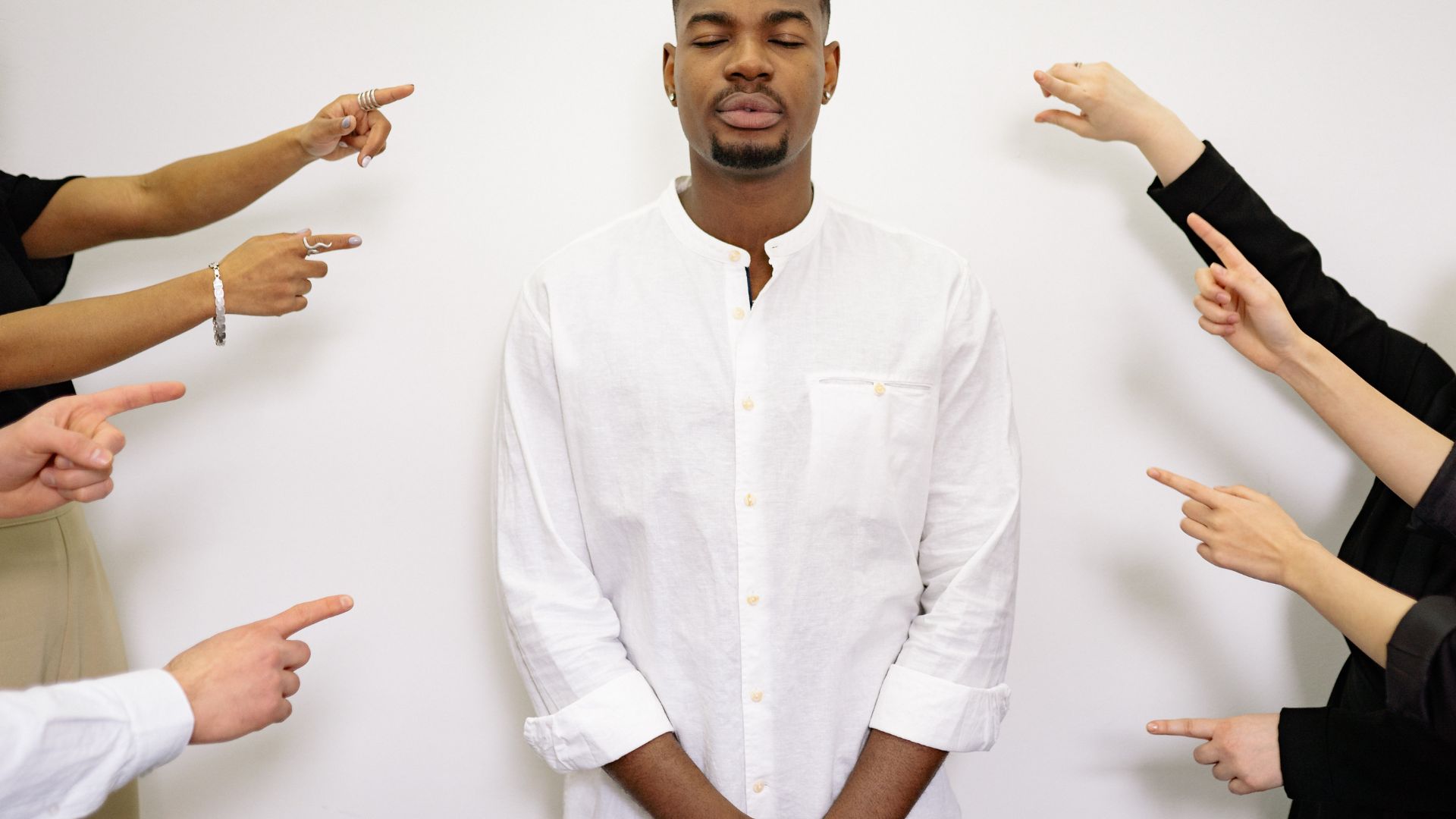
Let’s be real—nobody likes feeling attacked, even if it’s over something as minor as how we load the dishwasher. Defensiveness is like our brain’s security system. The alarms go off when we feel criticized, judged, or misunderstood. It’s not pretty, but it’s human.
Usually, defensiveness comes from fear—fear of being wrong, fear of looking bad, or fear of facing some hard truths about ourselves. For example, when your partner says, “You forgot to pay the electricity bill again,” and you snap back with, “Well, you never remind me!”—that’s defensiveness. Instead of addressing the issue, you’re deflecting responsibility and shifting the blame.
Or maybe at work, your boss asks why you missed a deadline. Instead of saying, “I lost track of time,” you rattle off a laundry list of excuses about how the instructions were unclear and the timeline was unrealistic. Sound familiar? It’s not about the task; it’s about protecting your pride.
Defensiveness also tends to show up as a relationship pattern. Dr. John Gottman identifies it as one of the “Four Horsemen of the Apocalypse,” or behaviors that can predict relationship breakdowns. When defensiveness becomes part of how we communicate, it creates a cycle of criticism, defensiveness, and even contempt—which nobody wins.
Here’s the thing about being defensive: you rarely realize it in the moment. You’re too busy justifying, explaining, or (let’s be honest) deflecting. But if you’re wondering if you might be in defensive mode, here are some dead giveaways:
When someone else is defensive, it’s like playing emotional dodgeball. They’re throwing excuses, blame, or silence your way. Here’s what to look for:
Okay, so you’ve realized you’re being defensive. First of all, congrats on that self-awareness—not everyone gets there. Now what? Try these tips:
When you’re on the receiving end of defensiveness, it’s tempting to fight fire with fire. Don’t do it. You’ll end up with emotional third-degree burns. Instead:
Here’s a pro tip: the antidote to defensiveness is taking responsibility. It might feel counterintuitive in the moment, but when you acknowledge even a tiny piece of the issue, it diffuses tension. For example, instead of saying, “That’s not my fault!” try, “You’re right, I could’ve done that differently.” It’s not about admitting total blame; it’s about showing you’re willing to engage constructively.
Defensiveness happens to the best of us. It’s not about being perfect; it’s about catching yourself in the act and choosing connection over conflict. But sometimes, these patterns are deeply ingrained and hard to change on your own. That’s where therapy comes in. Working with a skilled therapist can help you understand your defensive patterns, see how they’re limiting you, and make meaningful changes so you can live the life you want and build the relationships you deserve.
Our Atlanta trauma therapists specialize in treating complex PTSD and are all trained in EMDR, which is highly effective for addressing patterns like defensiveness. If you’re ready to work through these challenges, we’re here to help.
The patterns we write about here are common for people with complex trauma or cPTSD. Those patterns often started as protection.
But over time, the thing that helped you survive can become the thing quietly burning you out.
Want to know which pattern is running the show? Take our free quiz: What’s Driving You Toward Burnout?









Empower Counseling specializes in EMDR therapy for complex trauma, offering affirming care for neurodivergent and LGBTQ+ clients. Our therapists help smart, sensitive overachievers who feel stuck, burned out, or like something always seems to get in the way through trauma therapy, EMDR therapy, and anxiety counseling.
Areas we serve: Therapy is available in person in Suwanee, serving Gwinnett County and the North Atlanta area, and online across Georgia, Florida, Virginia, and Illinois.
Empower Counseling Center, LLC
4411 Suwanee Dam Rd, #450 | Suwanee, GA 30024
Call or Text: 770-685-6790 | Fax: 770-727-8786 | Email: hello@empowercounseling.net
©2026 empower counseling center llc. all rights reserved.